


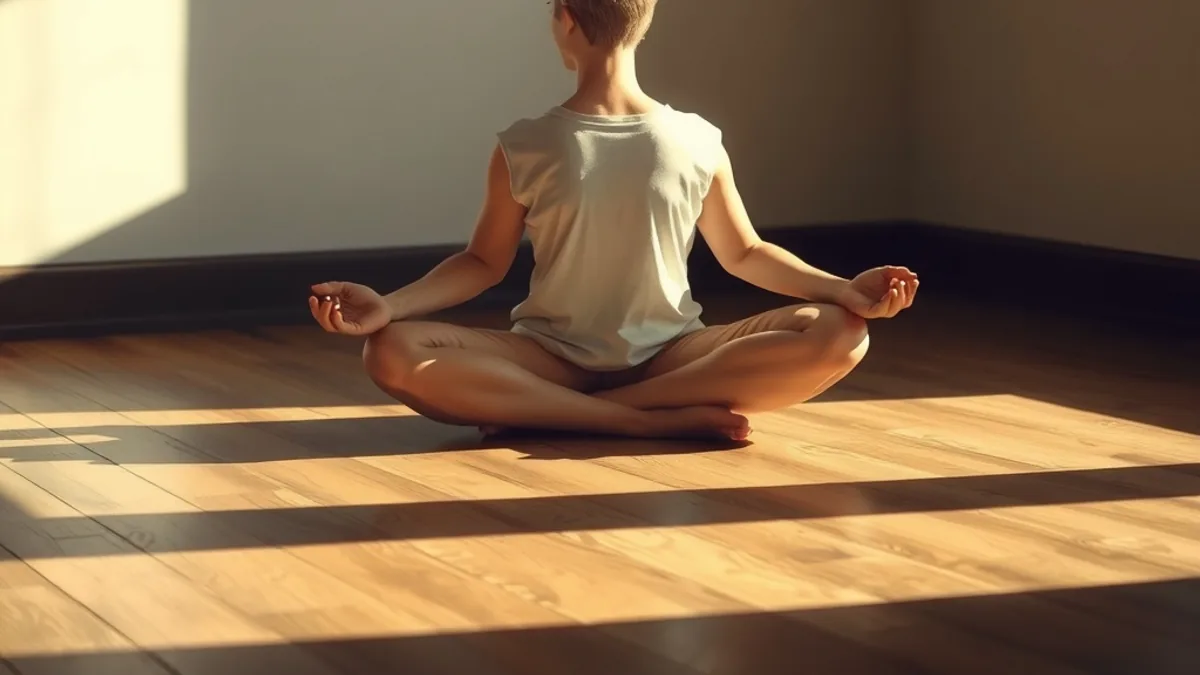
Mindfulness has acquired an unhelpful reputation for incense and hour-long sits. The practice that research actually supports is considerably smaller and more mundane than that.
What it actually is
Mindfulness is the practice of noticing what is happening right now without immediately reacting to it. That is the whole thing. The noticing is the skill, and like any skill it improves with repetition.
Start with five minutes
Sit somewhere you will not be interrupted. Set a timer for five minutes. Bring your attention to the sensation of breathing. Your mind will wander — this is not failure, it is the exercise. Each time you notice it has wandered and bring it back, you have completed one repetition.
Why it reduces stress
Stress is often less about the situation than about the loop of thinking about the situation. Mindfulness interrupts that loop by giving attention something concrete to rest on. Over time, the gap between a trigger and your reaction widens, and that gap is where choice lives.
Anchors you can use anywhere
- Breath — the most portable anchor there is.
- Feet on the floor — useful in meetings and on public transport.
- Sounds — notice them arriving and passing without labelling them good or bad.
- Walking — the sensation of each step, done for one block.
Common mistakes
Trying to empty the mind. Suppressing thoughts makes them louder. The instruction is not to stop thinking — it is to notice thinking without being carried away by it. Second mistake: treating it as a performance. There is no good or bad session. Showing up is the entire metric.
Making it stick
Attach it to something you already do daily — the first coffee, brushing your teeth, arriving at your desk. Five minutes at the same time every day beats thirty minutes whenever you remember.



Comments (0)
Please sign in or create an account to leave a comment.
No comments yet
Be the first to share your thoughts.