


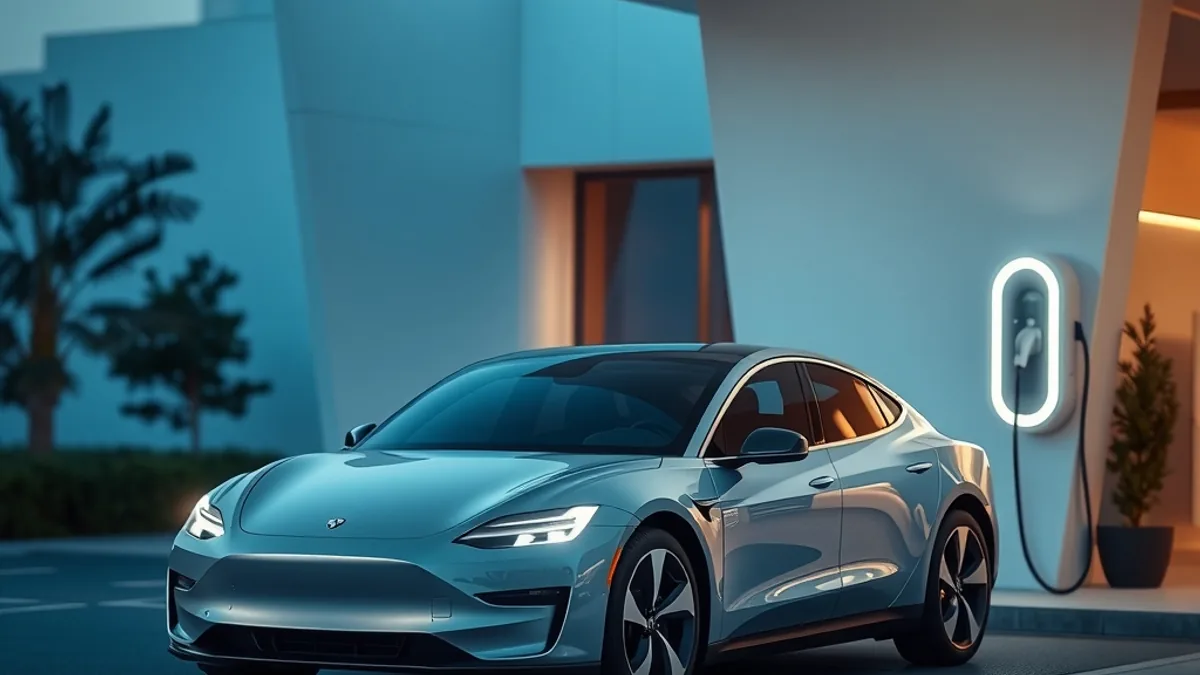
Electric vehicles have moved past the early-adopter phase in most major markets. The interesting questions are no longer whether they work but how quickly the supporting infrastructure and supply chain catch up.
Battery costs and range
Pack prices have fallen far enough that range is no longer the primary purchase objection for most buyers. The more relevant number is charging speed: platforms capable of adding 200+ kilometres in fifteen minutes have removed the road-trip objection almost entirely.
Charging infrastructure
This is where the gap now sits. Fast-charging density varies enormously by region, and reliability matters more than raw count. A network of 90% reliable chargers is worse than half as many that always work.
The economics
Total cost of ownership already favours EVs in many markets when fuel and maintenance are included. Purchase price parity is close in some segments and still years away in others, particularly where cheap domestic manufacturing is not yet at scale.
Beyond passenger cars
The faster transformation is happening in two- and three-wheelers in Asia, and in commercial fleets — delivery vans, buses and short-haul trucks — where predictable routes and depot charging remove the infrastructure problem entirely.
What still needs solving
- Grid capacity in dense urban areas where many drivers cannot charge at home.
- Battery recycling at scale, now that the first large generation of packs is reaching end of life.
- Raw material supply and the ethics of extraction.
- Cold-weather performance, still a genuine limitation.
What to expect next
Consolidation among manufacturers, continued price pressure, and rapid growth in the commercial segments. The passenger car transition will look less like a revolution and more like the slow replacement of one dominant technology by another — which is how it usually happens.



Comments (0)
Please sign in or create an account to leave a comment.
No comments yet
Be the first to share your thoughts.