


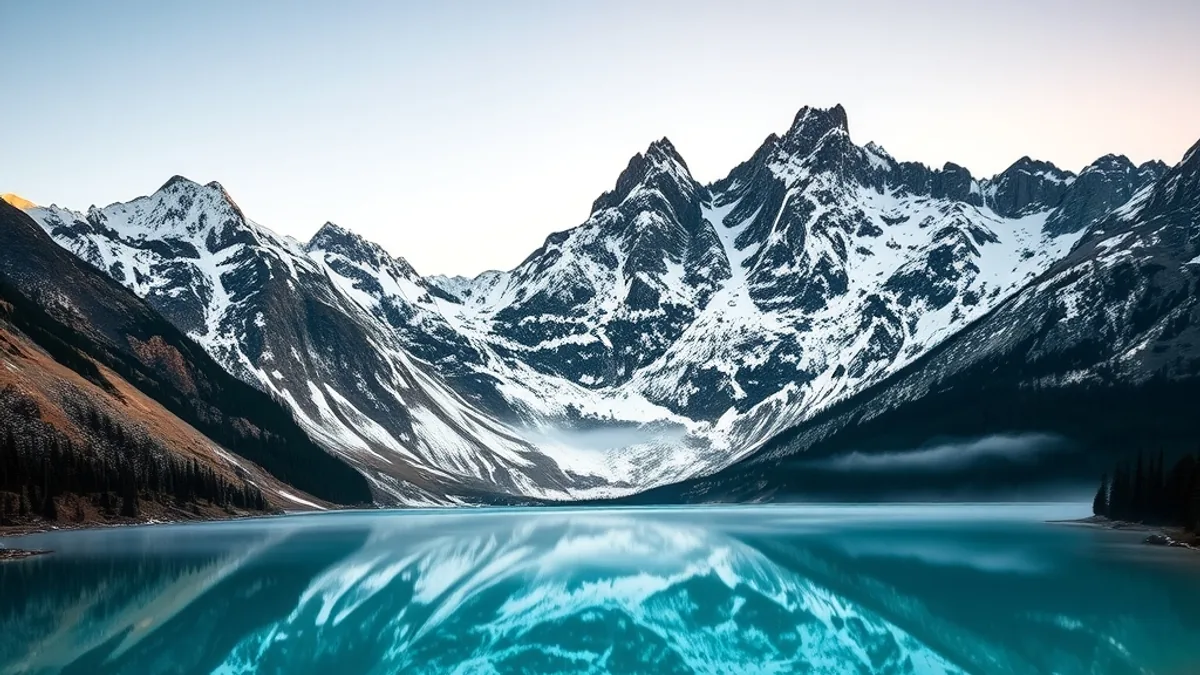
There is a particular feeling that arrives when you round a corner and a landscape you have only seen in photographs opens up in front of you. It is not quite awe and not quite disbelief — more like the quiet recalibration of what you thought the world could look like. These ten places deliver that feeling reliably.
1. Machu Picchu, Peru
Arriving at dawn through the Sun Gate, with the mist still sitting in the valley below, is one of travel's genuine set pieces. The fifteenth-century Inca citadel sits at 2,430 metres, and the altitude is a real factor — give yourself two days in Cusco to acclimatise before you climb.
Go between May and September for dry weather. The site caps daily visitors, so book permits through the official portal months in advance.
2. Iceland's South Coast
Seljalandsfoss, Skógafoss, Reynisfjara's black sand and the Jökulsárlón glacier lagoon all sit within a single day's drive of Reykjavík. The light in winter is extraordinary — three or four hours of low golden sun that photographers plan entire trips around.
3. Banff National Park, Canada
Lake Louise at 7am, before the tour buses arrive, is worth the early alarm. The turquoise colour comes from suspended rock flour carried down by glacial melt. Hike the Plain of Six Glaciers trail for a view almost nobody photographs.
4. Santorini, Greece
The caldera villages of Oia and Imerovigli are famous for good reason, but the island rewards those who go beyond the postcard. Visit in late May or early October to avoid the summer crush and still get warm sea temperatures.
5. Ha Long Bay, Vietnam
Nearly two thousand limestone islands rise out of emerald water. Overnight on a small boat rather than a day trip — the bay at sunrise, when the karsts emerge from the mist one by one, is the whole point.
6. The Norwegian Fjords
Geirangerfjord and Nærøyfjord are both UNESCO-listed. Take the Bergen railway, then a ferry, then a hike. The scale is difficult to convey in any photograph: cliff walls a kilometre high dropping straight into water 500 metres deep.
7. Kyoto, Japan
Fushimi Inari's ten thousand vermilion torii gates, the bamboo grove at Arashiyama, and the Philosopher's Path in cherry blossom season. Kyoto rewards slowness — pick two neighbourhoods a day and walk them properly.
8. Serengeti National Park, Tanzania
The great migration moves roughly 1.5 million wildebeest across the plains each year. Time your visit with the river crossings in the north (July to September) for the most dramatic wildlife spectacle on Earth.
9. The Amalfi Coast, Italy
Positano's vertical houses, the Path of the Gods coastal hike, and lemon groves that produce the best limoncello you will ever taste. Drive it once for the experience, then take ferries for everything else.
10. Uluru, Australia
The monolith changes colour through the day — ochre at noon, deep red at sunset, almost purple at dusk. The base walk is 10.6 kilometres and takes about three hours. Respect the request of the traditional owners and do not climb it.
Planning your trip
Three practical rules apply to all ten. Book permits and accommodation early — the best places are capacity-limited by design. Travel in shoulder season where you can. And build in a buffer day: the best moments on any trip are almost always the unplanned ones.


Comments (2)
Please sign in or create an account to leave a comment.
Booked Iceland for February based on this. The tip about the low winter sun was exactly what I needed to hear.
Machu Picchu at sunrise genuinely changed how I think about travel. The altitude advice is spot on — two days in Cusco is the minimum.